
Introduction to Real Bouillabaisse
What is Bouillabaisse?
Bouillabaisse is a traditional Provençal fish stew that tantalizes the palate with its fragrant broth and diverse seafood. This real bouillabaisse is not just a dish; it’s an experience steeped in culture and history. Originating from the coastal waters of Provence, this stew typically features a variety of fresh fish and shellfish simmered with aromatic herbs, spices, and vegetables, resulting in a flavorsome broth that's both hearty and satisfying. The key to an authentic bouillabaisse lies in using the freshest seafood, allowing each ingredient to shine through in harmony.
The Origin of Bouillabaisse
The roots of bouillabaisse trace back to the fishermen of Marseille, who would often combine their catch of the day with local ingredients. This dish was originally a way to utilize less desirable fish, making it accessible to everyone. Over the years, bouillabaisse has evolved, incorporating sophisticated culinary techniques and elevating it to a renowned dish across France and beyond. Curious about the specifics? Check out the historical insights on BBC Food. As you enjoy making this dish at home, you’ll not only savor its incredible flavors but also connect with the rich heritage of Southern France. So, ready to dive into the cooking process? Let’s get started!
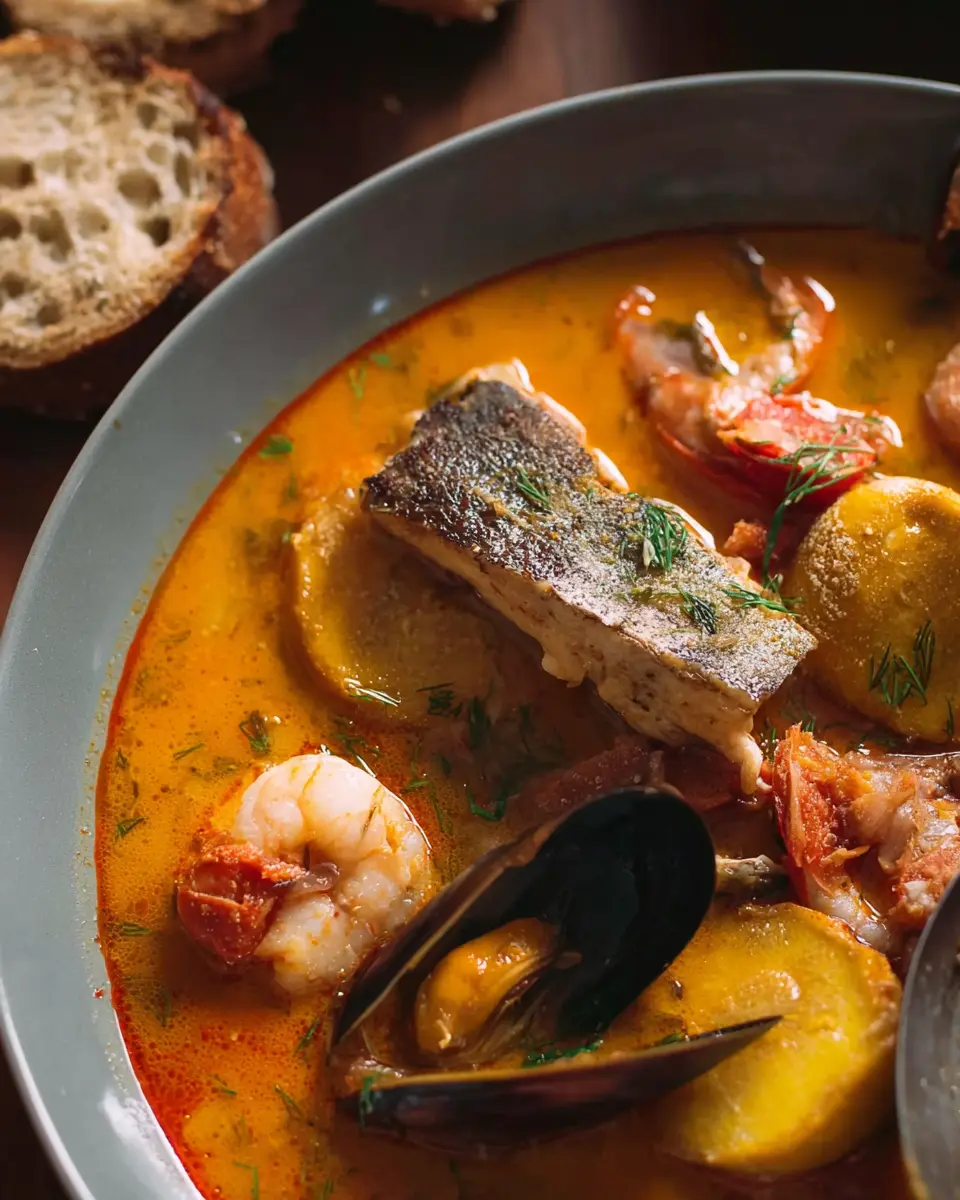
Ingredients for Real Bouillabaisse
For the Broth
To create the foundation for your real bouillabaisse, you'll need a harmonious blend of flavors. Start with:
- ½ cup (120 ml) extra-virgin olive oil
- 1 large yellow onion, diced
- 1 large leek, washed and diced
- 1 medium fennel bulb, cored and diced
- 5 medium cloves garlic, crushed
- 2 large pinches saffron threads
- 2 sprigs thyme
- 6 plum tomatoes, diced
- 2 pounds (900 g) fish (bones or whole fish work too)
- 2 quarts (1.9 L) boiling water
These ingredients come together for a broth that’s both aromatic and deeply flavorful.
For the Rouille
Rouille is a traditional accompaniment to bouillabaisse. For this elegant sauce, mix:
- 2 medium cloves garlic
- ¼ cup crumbled stale bread
- 1 large egg yolk
- ½ cup (120 ml) extra-virgin olive oil
This blend gives your dish a rich, creamy finish.
To Finish
Finally, for the pièce de résistance, gather:
- 3 to 5 pounds (1.3 to 2.25 kg) mixed fish
- 1 pound (453 g) mussels or crabs (optional)
- Baguette toasts for serving
These finishing touches elevate your real bouillabaisse to a true culinary experience, ready to impress your guests. Enjoy!
Step-by-step Preparation of Real Bouillabaisse
Crafting a real bouillabaisse is a culinary adventure filled with rich flavors and vibrant aromas. Let's break it down into manageable steps, ensuring your dish turns out as authentic and delightful as possible.
Make the Broth
Start by gathering your ingredients for the broth. In a 7-quart Dutch oven, heat ½ cup of extra-virgin olive oil over medium heat until shimmering. Add 1 large diced onion, 1 diced leek, and 1 diced fennel bulb along with 5 crushed garlic cloves. Don't forget to toss in some whole fennel seeds, saffron threads, and a strip of orange zest. Allow this mixture to soften for about 10 minutes—trust me, the aroma will be incredible!
Next, stir in 2 tablespoons of tomato paste and cook for 2 minutes. Then, add 6 diced tomatoes and cook until they start to soften. The next step is crucial: layer in 2 pounds of fish or fish bones, stirring to mix everything well. Pour in 2 cups of boiling water to cover the ingredients, sprinkle in fresh parsley and a bay leaf, and bring everything to a boil. Once bubbling vigorously, reduce to a simmer and let it cook for about 45 minutes, seasoning with salt and pepper to taste.
Prepare the Rouille
While your broth simmers, it's time to whip up a tasty rouille that will complement your bouillabaisse perfectly. In a small bowl or food processor, combine 2 garlic cloves, ¼ cup of crumbled stale bread, a pinch of cayenne pepper, and a few saffron threads. Blend these ingredients into a smooth paste and gradually add ½ cup of extra-virgin olive oil. This will create a creamy, flavorful sauce that's iconic for this dish.
Blend the Broth
Once your broth is robustly flavored, it’s time to blend it! Working in batches, transfer the broth into a blender. Start at the lowest speed (safety first!) and gradually increase it until you have a smooth consistency. Strain the blended broth through a fine mesh strainer into another pot, pressing down with a spoon to extract all the goodness.
Poach the Fish
With your broth beautifully strained, bring it back to a gentle simmer. Now, prepare your fish selection—ideally, 3 to 5 pounds of mixed fish, like sea bass or snapper. Start poaching the larger fish first, ensuring each piece is fully submerged. For any mussels or crabs you're using, add them to the simmering broth until they open up or are thoroughly cooked.
Assemble & Serve
To serve your real bouillabaisse, bring the platter of poached fish to the table alongside the broth. Guests can indulge in the soup separately or combine it all in their bowls. Don’t forget those delightful baguette toasts smeared with the rouille for that finishing touch. Enjoy this undertaking—it’s sure to impress family and friends!
By following these steps, you'll not only master the real bouillabaisse, but also create a heartwarming dish that pays homage to its Mediterranean roots. Happy cooking!
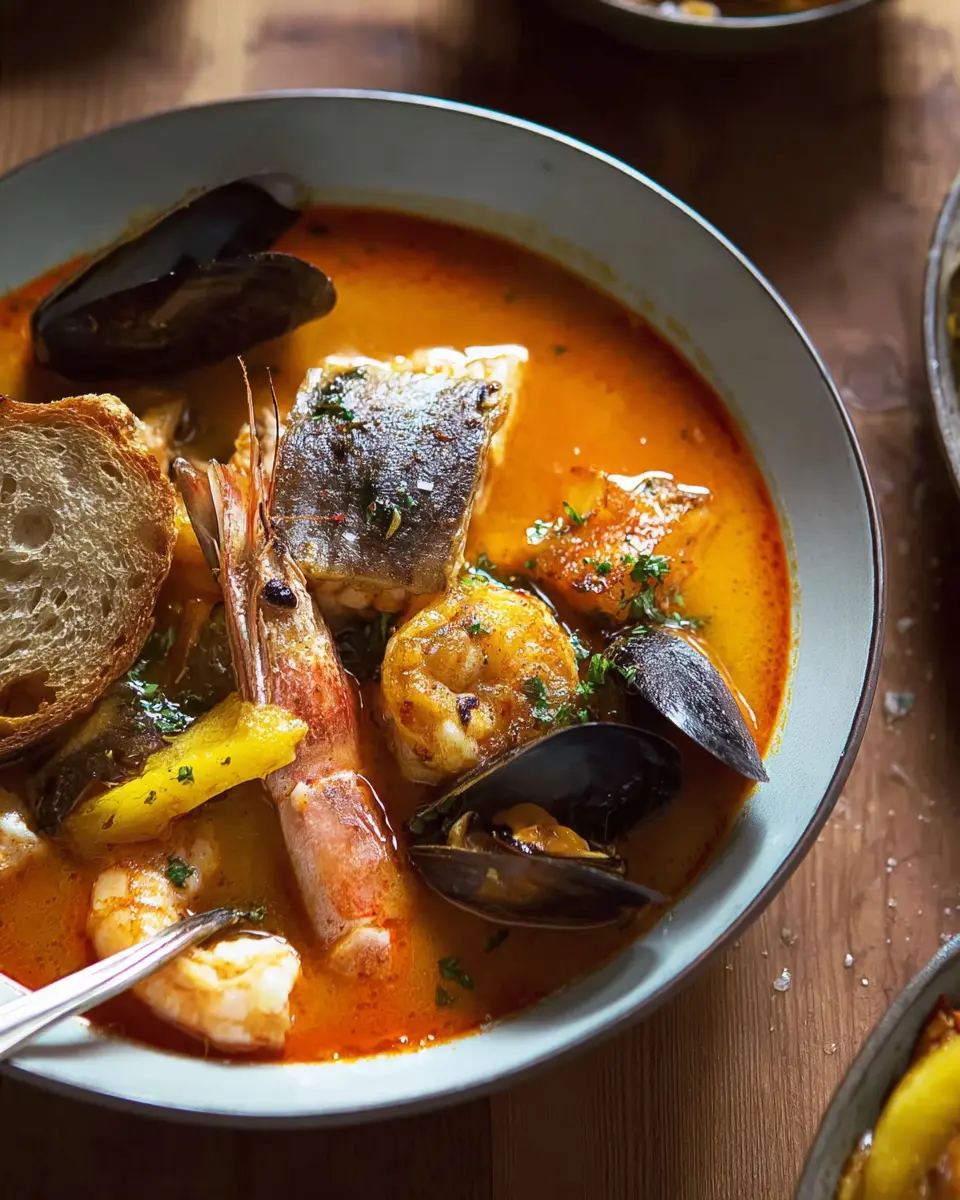
Variations on Real Bouillabaisse
Vegetarian Bouillabaisse
If you’re looking for a vegetarian twist on the classic real bouillabaisse, simply swap out the fish with hearty vegetables like zucchini, artichokes, and carrots. You can also include some plant-based proteins such as chickpeas or tofu to add texture and substance. The rich, aromatic broth made with fresh herbs and spices will still deliver that warm, comforting feel, making this version perfect for any dinner table.
Shellfish Bouillabaisse
For those who love seafood, try a shellfish bouillabaisse by focusing on an array of mussels, clams, and shrimp. This variation maximizes flavor and introduces delightful textures to the dish. Pairing shellfish with the traditional broth creates a luxurious experience perfect for special occasions. Instead of relying solely on fish, the shellfish variety brings a beautiful oceanic essence to your bouillabaisse!
Feel adventurous? Dive into these variations to explore the delicious versatility of this timeless dish!
Cooking Tips and Notes for Real Bouillabaisse
Choosing the Right Fish
When creating a real bouillabaisse, the fish selection is key! Opt for a mix of whole and filleted fish for a variety of textures and flavors. Ideal choices include branzino, sea bass, or monkfish, which all lend a delicious depth to the broth. Do visit your local fishmonger for fresh, quality fish—it makes a noticeable difference. If you're feeling adventurous, consider adding shellfish like mussels or crabs for an extra layer of flavor.
Using Fresh Ingredients
The success of your real bouillabaisse heavily depends on the freshness of your ingredients. Choose vibrant, seasonal vegetables and fragrant herbs. Fresh fish and shellfish not only enhance the taste but also offer a satisfying texture. Remember, the broth thrives on robust flavors, so don’t skimp on the saffron and aromatic vegetables. Making the effort to source fresh and high-quality ingredients will elevate your bouillabaisse into a truly memorable dish—one worth sharing with friends and family!
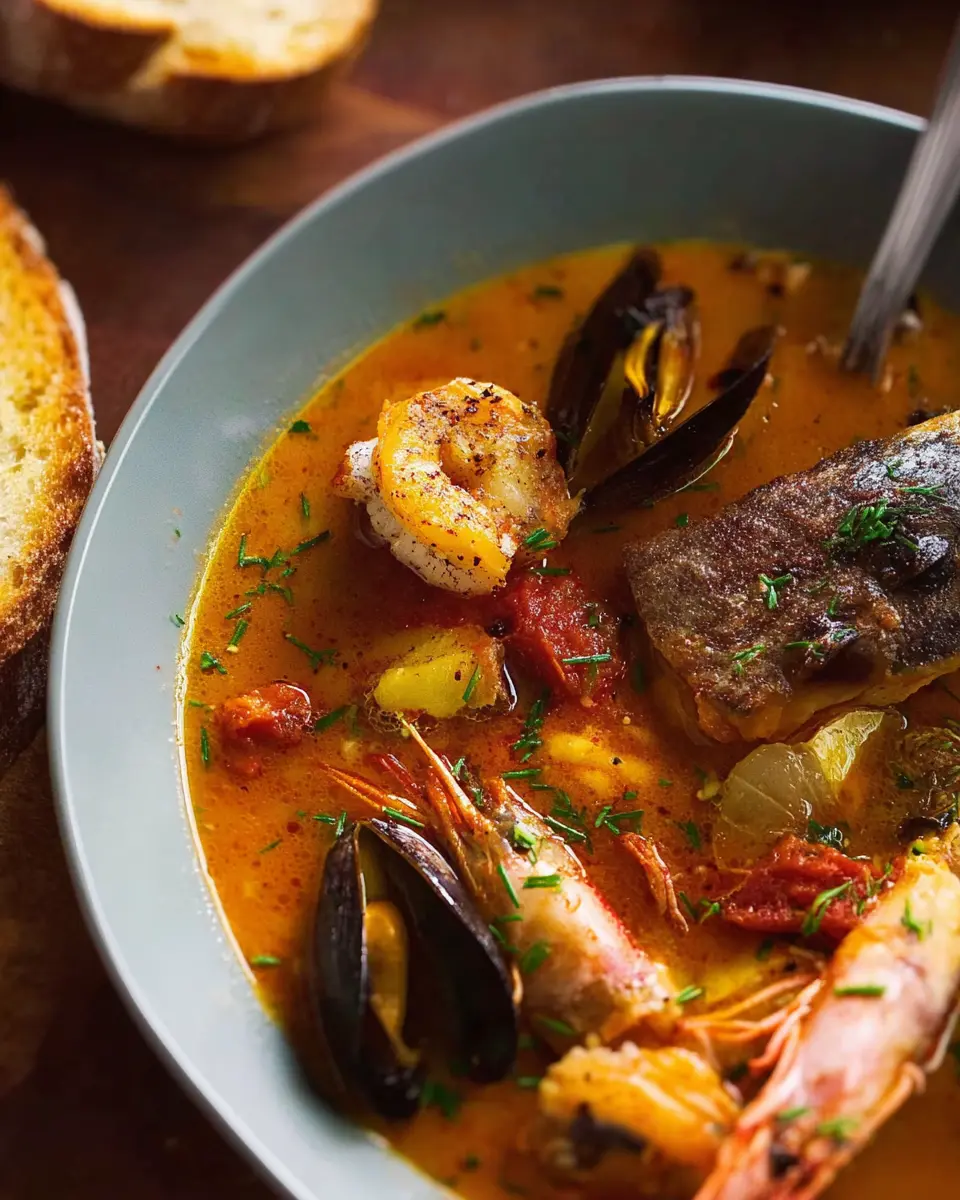
Serving Suggestions for Real Bouillabaisse
Accompaniments for Bouillabaisse
To elevate your experience with real bouillabaisse, consider serving it with:
- Baguette Toasts: These are essential for soaking up the flavorful broth. You can toast slices of baguette and rub them with garlic for added flavor.
- Rouille: This spicy garlic mayonnaise adds a delightful kick when spread on your toasts or stirred into the broth.
- Colorful Salads: A simple mixed green salad with a light vinaigrette can balance the richness of the soup.
Best Ways to Enjoy Bouillabaisse
Enjoying real bouillabaisse is all about the experience. Bring the pot to the table, allowing guests to serve themselves—this not only makes for an interactive meal but adds a touch of authenticity to your dining experience. You can also:
- Layer Flavors: Start with the broth, followed by the fish, and finish with rouille-topped toasts on the side.
- Pair with a Sparkling Beverage: Opt for sparkling water or a refreshing lemonade to cleanse the palate between bites.
Indulge in this exquisite dish, soaking in the Mediterranean vibes with every spoonful! For more ideas, check out this guide to French cuisine.
Time Breakdown for Real Bouillabaisse
Preparation Time
Getting everything ready for your real bouillabaisse is key to a smooth cooking experience. Expect to spend about 30 minutes prepping your ingredients, including washing and chopping the veggies, and measuring out your spices.
Cooking Time
Once everything is prepped, the cooking time comes to around 1 hour and 45 minutes. This includes crafting the flavorful broth, making the rouille, and poaching your fresh fish and shellfish.
Total Time
In total, you're looking at approximately 2 hours and 15 minutes to enjoy this delightful dish. But trust us, the time spent is well worth it for a warm, aromatic bowl of real bouillabaisse that brings a taste of the sea to your table!
For more on ingredient prep techniques, check out links on how to dice an onion and prep leeks. You’ll be a pro in no time!
Nutritional Facts for Real Bouillabaisse
Calories
A hearty serving of real bouillabaisse packs about 400-500 calories, making it a satisfying option for a dinner gathering. It's a flavorful dish that balances nourishment and taste, perfect for food lovers.
Protein
With a mix of fresh fish and shellfish, this delightful soup offers an impressive protein boost of around 30 grams per serving. This makes real bouillabaisse an excellent choice for those looking to maintain or build muscle.
Sodium
Depending on how you season it, you can expect sodium levels to range from 800 to 1,200 mg per serving. To keep it healthier, consider using less salt and choosing low-sodium broth options. Want to learn more about managing sodium intake? Check out this guide by the American Heart Association.
Indulging in real bouillabaisse not only comforts the soul but also brings some nutritional benefits to your table. Whether you're cooking for a crowd or enjoying a cozy meal alone, this dish is sure to impress!
FAQ about Real Bouillabaisse
Can I use frozen fish for bouillabaisse?
Absolutely! Using frozen fish is a great option, especially if fresh seafood isn't available. Just ensure you thaw it thoroughly before using it in your real bouillabaisse. While fresh fish delivers the best flavor, frozen varieties can still provide a delicious experience, as long as they're of good quality. Check with your local fishmonger for the best options.
What are the best bread options to serve with bouillabaisse?
When it comes to pairing bread with real bouillabaisse, a crusty baguette is a classic choice. Its crunchy exterior and soft interior are perfect for soaking up the flavorful broth. You can also try sourdough or ciabatta for a twist. Just make sure the bread is toasted, and consider spreading it with a bit of garlic or rouille to enhance the flavors!
How can I adjust the spice level in bouillabaisse?
To tweak the spice level in real bouillabaisse, start by adjusting the cayenne pepper. If you prefer a milder taste, use less, or even omit it altogether. For those who enjoy more heat, consider adding a dash of crushed red pepper flakes or fresh chili peppers. Remember, you can always add more spice, but it's harder to tone it down once it’s in!
Conclusion on Real Bouillabaisse
In summary, real bouillabaisse is a delightful celebration of fresh seafood and aromatic spices that brings a taste of the Mediterranean to your table. Perfect for gatherings or a cozy night in, this dish offers warmth and depth. So, gather your ingredients and create a culinary masterpiece that will impress your friends and family!
Real Bouillabaisse
Equipment
- Dutch oven
- blender
- fine-mesh strainer
- mortar and pestle
- food processor
Ingredients
Broth
- ½ cup extra-virgin olive oil
- 1 large yellow onion diced
- 1 large leek washed and diced
- 1 medium fennel bulb cored and diced
- 5 cloves garlic crushed
- ½ teaspoon whole fennel seeds
- 2 large pinches saffron threads
- 1 strip orange zest 2-inch
- 1 large pinch cayenne pepper
- 2 sprigs thyme
- 2 tablespoons tomato paste
- 6 plum tomatoes cored and diced
- 2 pounds whole fish or fish bones and heads see note
- 2 cups dry white wine
- ¼ cup Pernod or pastis optional
- 2 quarts boiling water or more as needed
- 2 sprigs fresh flat-leaf parsley
- Kosher or sea salt
- freshly ground black pepper
Rouille
- 2 medium cloves garlic
- ¼ cup crumbled stale bread or panko bread crumbs ½ ounce
- 1 large pinch cayenne pepper
- 1 pinch saffron threads
- 1 large egg yolk
- Kosher or sea salt
- ½ cup extra-virgin olive oil
To Finish
- 3 to 5 pounds mixed whole and/or filleted fish 1.3 to 2.25 kg; see note
- 1 pound mussels and/or crabs optional; see note
- Kosher or sea salt
- Baguette toasts for serving
Instructions
For the Broth
- In a 7-quart Dutch oven, heat olive oil over medium heat until shimmering. Add onion, leek, fennel, garlic, fennel seeds, saffron, orange zest, cayenne pepper, and thyme sprigs. Cook, stirring occasionally, until vegetables have softened, about 10 minutes; lower heat if necessary to prevent browning.
- Stir in tomato paste and cook, stirring, for 2 minutes. Add diced tomatoes and cook, stirring, until tomatoes begin to soften, about 3 minutes longer. Layer in whole fish and/or fish bones and heads, stirring to mix.
- Add white wine and Pernod or pastis (if using), stirring to scrape up any bits from the bottom of the pot. Bring to a boil over medium-high heat, then boil until raw alcohol smell has cooked off, about 3 minutes.
- Add enough boiling water to fully cover all ingredients in the pot. Add parsley and bay leaf, increase heat to high, and bring broth to a vigorous boil. Allow to boil rapidly for 5 minutes. Lower heat to a simmer and continue to cook until broth is flavorful, about 45 minutes. Season with salt and pepper.
Make the Rouille
- Using a mortar and pestle, a blender, or a food processor, process garlic, bread, cayenne pepper, saffron, and egg yolk to a paste. Work in 2 tablespoons (30ml) liquid from fish broth pot to thin paste slightly.
- While pounding with the pestle, or with the blender or processor running at its lowest speed, drizzle in the olive oil. If the mixture seems too thick at any point, add fish broth, 1 tablespoon (15ml) at a time, until a thick, mayonnaise-like consistency is reached. Refrigerate the rouille until ready to use, up to 3 days.
To Finish
- Working in batches, transfer broth and all ingredients, including fish bones, to a blender. Remove top vent from blender lid, cover with a folded clean kitchen towel, and turn blender on at lowest speed. Gradually increase speed to high, then blend until as smooth as possible.
- Transfer blended soup to a fine-mesh strainer set over a clean pot and, using a wooden spoon, work the broth through the strainer, scraping and pressing, until only bones and very dry fibrous material are left. Season strained broth with salt and pepper.
- Return broth to heat and bring to a very gentle simmer over medium. Working in batches if necessary, season the whole and filleted fish and fully submerge in broth. Poach until just cooked through, starting with the larger whole fish that will take the longest to cook and finishing with the fillets.
- If using mussels or crabs, add to gently simmering broth and cook until mussels have just opened or crabs are cooked through. Transfer to the serving platter.
- Bring the platter of fish to the table along with the broth in the soup pot or a tureen. Guests can eat the soup and fish separately, or together in the same bowl. The soup is best served with baguette toasts smeared with the rouille.

Leave a Reply