
Introduction to Artisan Pizza Dough
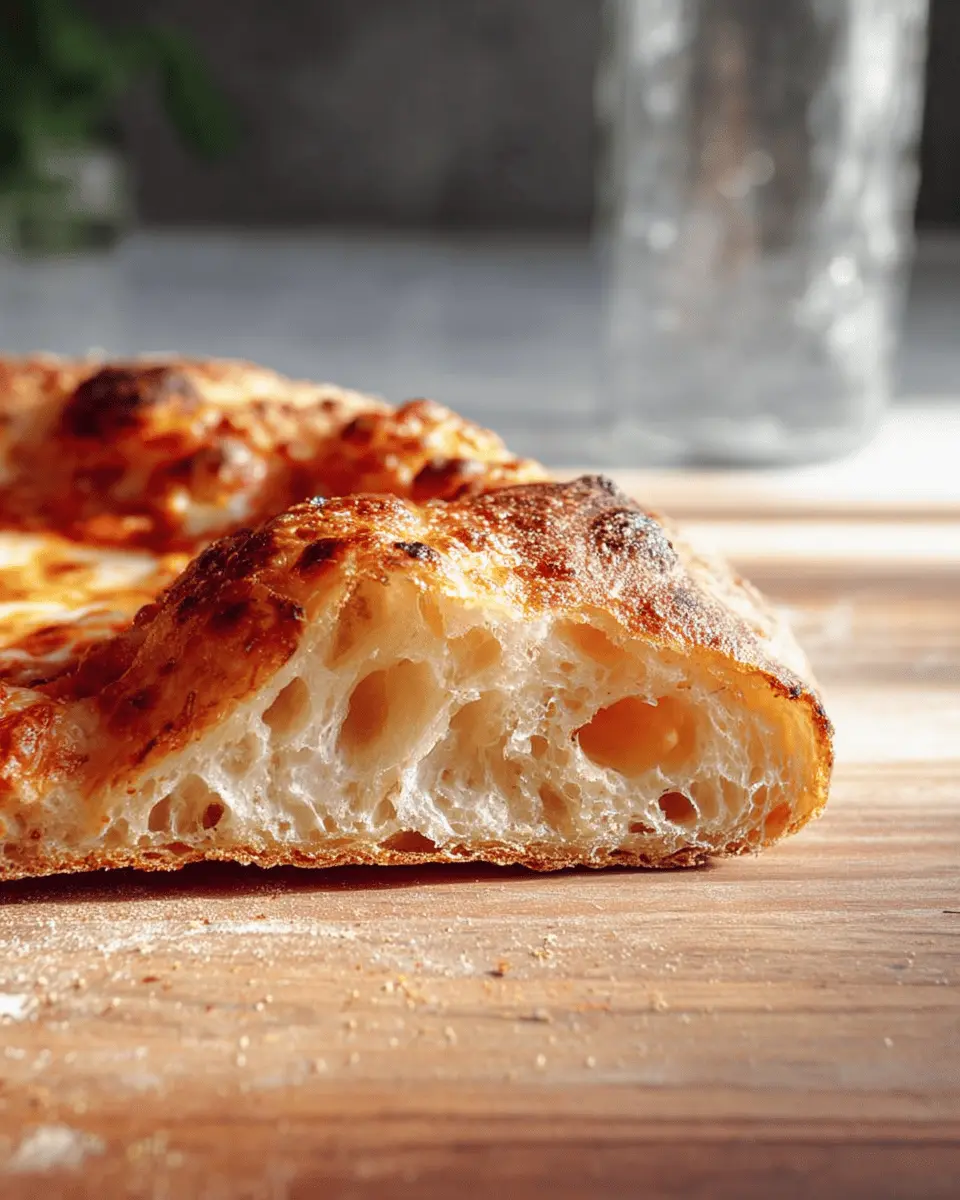
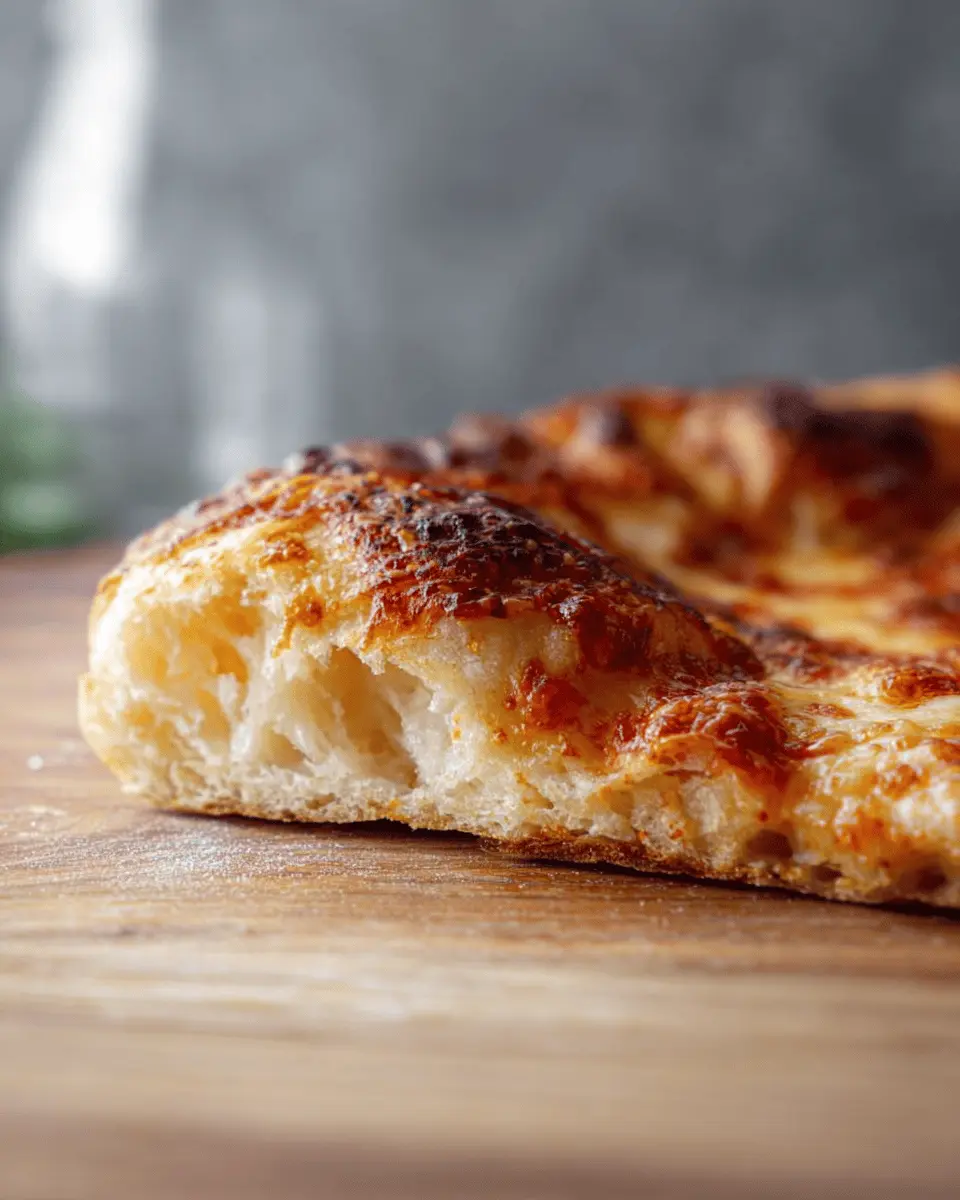
When it comes to making homemade pizza, nothing beats the experience of working with artisan pizza dough. Unlike traditional pizza doughs that can yield a dense crust, artisan recipes focus on achieving that perfect balance of crispy, chewy, and bubbly texture. This is largely due to the long fermentation process, which not only enhances the flavor but also creates a wonderfully complex structure in the dough.
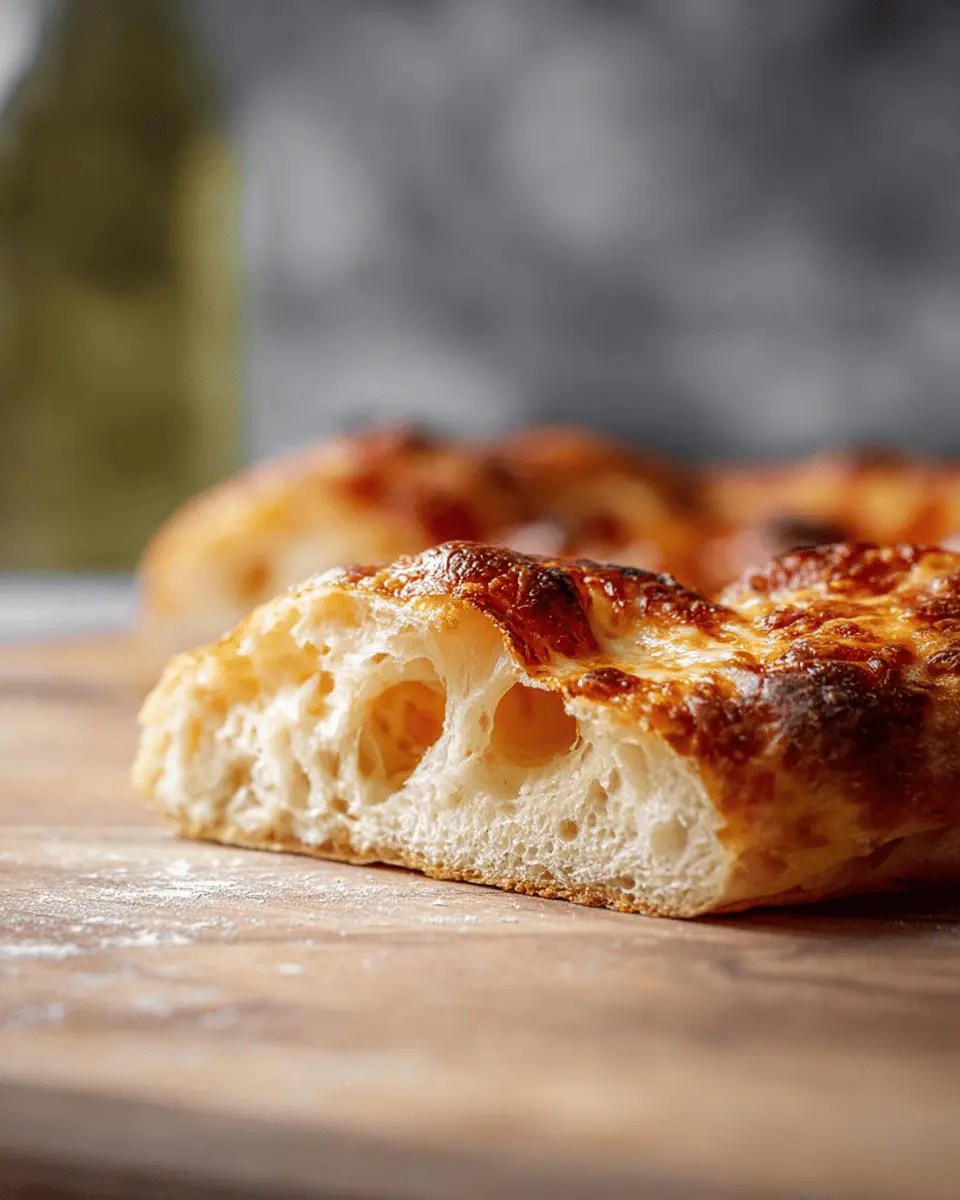
So, why is artisan pizza dough a game-changer? First and foremost, it elevates your pizza experience both in taste and texture. With a few simple ingredients—just all-purpose flour, water, yeast, and salt—you can create magic. Plus, the dough's natural fermentation process results in a crust that’s truly unique, characterized by an airy interior dotted with beautiful bubbles.
If you're a self-proclaimed pizza lover or simply someone looking to impress your friends and family, mastering artisan pizza dough is essential. Ready to roll up your sleeves and dive into the world of artisan baking? We've got you covered with a detailed recipe that ensures you’ll serve a gourmet pizza right from your own kitchen. Interested in more tips? Check out this guide on pizza baking techniques.
Ingredients for Artisan Pizza Dough
Essential ingredients for a crispy, chewy crust
To create delicious artisan pizza dough with a crispy, chewy crust, you need a few essential ingredients:
- 500g (3 ¾ cups plus 2 tbsp) all-purpose flour: This forms the backbone of your dough.
- 375g (1 ½ cups water plus 2 tbsp) warm water: Activates the yeast and helps in gluten formation.
- 1g (¼ tsp) active dry yeast: The magic ingredient that gets your dough rising and bubbly.
- 10g (1 ½ tsp) fine salt: Enhances flavor and controls fermentation.
Each ingredient plays a vital role in the overall texture and flavor. The perfect balance results in a crust that is not only crispy but also wonderfully chewy!
Special notes on ingredient quality and substitutions
Using high-quality ingredients elevates your artisan pizza dough significantly. Opt for bread flour if you prefer extra chewiness or a specific texture. Should you need to make substitutions, remember that the yeast can be swapped for instant yeast at the same measurement, and filtered or bottled water is ideal for that perfect rise. Always check for freshness to ensure optimal results.
For more tips on ingredient quality, feel free to check resources like the King Arthur Baking Company or Serious Eats. Happy pizza making!
Step-by-step preparation of Artisan Pizza Dough
Creating the perfect artisan pizza dough is both an art and a science! With each step, you will build flavor and texture that elevate your homemade pizzas. Let's dive into the preparation process that promises a crispy, chewy, and bubbly crust.
Initial mixing and resting of ingredients
To kick off our artisan pizza dough journey, begin by mixing 500g of all-purpose flour with most of the 375g warm water (set aside 1 tablespoon for later). Combine them in a large bowl until just incorporated. Next, cover the bowl and let it rest for about 20 minutes. This resting period is crucial as it hydrates the flour, making it easier to work with later on. Meanwhile, sprinkle 1g of active dry yeast over the remaining warm water and let it dissolve. The yeast is your dough's best friend, responsible for that lovely lift!
Folding and developing the dough
After the dough has rested, it's time to fold. Sprinkle 10g of fine salt over the surface of your dough. Stir the yeast mixture and pour it over the dough, then proceed to fold it: wet your hand to minimize sticking, stretch a section of dough over the top, and repeat until the center is covered. This gentle folding helps to develop structure and blend in the salt without over-mixing. Be patient—it will come together into a shaggy dough. Cover the bowl and let it sit for about an hour to allow the flavors to mingle.
First rise and gluten development
This step is where the magic begins. With your dough resting, prepare to develop gluten. Gently fold the dough one more time—this helps tighten it into a ball. Invert the ball into a lightly greased bowl, seam side down, and cover it. Let this dough rise until it doubles in volume, which should take around 5 to 6 hours. If you’re wondering why gluten development is essential, it’s because gluten gives the artisan pizza dough its characteristic structure, ensuring that it can support your toppings without collapsing.
Shaping the dough into individual portions
Once your dough has risen, turn it out onto a floured surface. Divide it in half and work with one piece at a time. Shape it into a tight ball by stretching it and folding the edges into the center. Then, flip it so the seam side is down and use your hands to create gentle tension by dragging it towards you. This creates a beautifully round ball, ready for its second rise. Transfer this shaped dough to a greased plate and repeat with the second half.
Second rise and preparing the oven
Now, cover the balls of dough with a light oil film and let them rest for an hour. While they’re rising, it’s time to preheat your oven! If you're using a pizza steel or a stone, place it in the middle rack and set your oven to 500°F. This ensures that your crust gets that perfect crispiness. If you're not cooking immediately, you can also tuck the dough into the fridge for up to 2 days, helping the flavors develop even more.
Now that you’ve prepared your artisan pizza dough, you’re one step closer to enjoying pizzas that rival your favorite pizzeria. Wouldn't it be fun to personalize your toppings and share your homemade creations with friends? Get creative—your pizza night will never be the same!
Variations on Artisan Pizza Dough
Experimenting with different variations of artisan pizza dough can elevate your pizza game and cater to diverse tastes. Here are two exciting options to try:
Whole Wheat Artisan Pizza Dough
For a healthier twist, substitute half the all-purpose flour with whole wheat flour. This variation not only enhances the nutritional value but also adds a nutty flavor and a heartier texture to your crust. Whole wheat flour is rich in fiber and nutrients, making your pizza indulgence a bit more wholesome. If you’d like to learn more about the benefits of whole wheat, check out this Healthline article on whole grains.
Herb-Infused Artisan Pizza Dough
Add a burst of flavor by mixing in dried or fresh herbs like oregano, basil, or rosemary into your artisan pizza dough. Simply incorporate 1-2 tablespoons of finely chopped herbs into the flour during the mixing stage. This not only adds aromatic benefits but elevates your homemade pizza to restaurant-quality, perfect for impressing friends at your next gathering! Curious about more herb pairings? Take a look at this Epicurious guide on cooking with herbs.
These variations let you customize your pizza experience, ensuring that every bite is unique and delightful!
Cooking tips and notes for Artisan Pizza Dough
Prepping your kitchen tools for success
To create the perfect artisan pizza dough, start with the right kitchen tools. A large mixing bowl, a sturdy wooden spoon, and a dough scraper are must-haves. Consider preheating your oven stones or steel to achieve that crunch in your crust. A pizza peel coated with flour helps in transferring your dough without sticking, ensuring a flawless bake.
Troubleshooting common dough issues
Sometimes dough can be a bit temperamental. If your dough feels too sticky, try adding a bit more flour in small increments. On the flip side, if it’s too dry, incorporate water gradually. Remember, artisan pizza dough loves patience, so don’t rush its rise! For more tips, check out King Arthur Baking’s resources. Happy baking!
Serving suggestions for Artisan Pizza Dough
Perfect toppings to complement your artisan crust
The beauty of artisan pizza dough lies in its versatility! Opt for a classic Margherita with fresh mozzarella, basil, and a drizzle of olive oil, or take a flavor adventure with sliced turkey bacon, chicken ham, and arugula. Don’t forget the bold combinations: try roasted red peppers with goat cheese or a spicy mix of pepperoni and jalapeños. Seasonal veggies like zucchini and mushrooms can add freshness, while drizzling balsamic reduction before serving can elevate the taste! For sauce, consider everything from traditional marinara to a creamy alfredo for a unique twist.
Creative ideas for pizza-themed gatherings
Hosting a pizza-themed gathering? Make it interactive by setting up a DIY pizza bar! Provide a variety of sauces, cheeses, and toppings, allowing guests to customize their own pies. Pair this with a selection of refreshing drinks like sparkling water, herbal iced tea, or mocktails made from fresh fruits. To keep the vibe lively, create a contest for the most creative topping combination—who knows, it might just turn into a local pizza legend! Check out this guide on hosting a pizza party for more inspiration. Catering to your guests’ preferences will make your event memorable and delicious!
Time breakdown for Artisan Pizza Dough
Preparation time
Get ready for pizza night! This artisan pizza dough will take about 20 minutes to prepare. You'll mix your ingredients together and let them rest, setting the stage for a beautiful dough.
Rising time
Patience is key with this dough. After mixing, allow it to rise for about 5-6 hours until it doubles in volume. Perfect timing for a leisurely afternoon!
Baking time
Once shaped and topped, your pizza will need around 5-20 minutes in a super hot oven—just enough to achieve that crispy, chewy crust you desire.
Total time
From start to finish, you’re looking at about 6-7 hours for this artisan pizza dough, but most of that is hands-off time. So, feel free to kick back while your dough works its magic!
For more tips on pizza making, check out Serious Eats for expert advice. Happy baking!
Nutritional Facts for Artisan Pizza Dough
Calories per Serving
Each serving of artisan pizza dough (¼ of a 12" pizza) packs about 228 calories. This makes it a delightful base for your favorite toppings without overwhelming your daily intake.
Other Nutritional Highlights
This dough is more than just delicious; it also offers:
- Carbohydrates: 48g for energy to keep you fueled
- Protein: 6.5g to support muscle health
- Fiber: 1.7g for good digestive health
- Low sugar: only 0.2g per serving
Feel free to explore more about balanced diets and nutrition at ChooseMyPlate.gov for helpful tips on incorporating dough-based dishes into your meals. And remember, with a little creativity, this crust can transform into a healthier option!
FAQs about Artisan Pizza Dough
What is the difference between artisan and regular pizza dough?
Artisan pizza dough typically involves a longer fermentation time, which enhances its flavor and texture. Unlike regular dough, artisan dough often utilizes less yeast and relies on natural fermentation for that distinctive bubbly and chewy crust. This method creates a more complex flavor profile, giving your pizza a unique taste that you won't easily find in regular pizza options.
Can I prepare the dough in advance?
Absolutely! Making artisan pizza dough ahead of time can be a game-changer for a hassle-free meal. After your dough has risen, cover it tightly with plastic wrap and store it in the refrigerator for up to two days. This allows the flavors to develop even further, leading to an exceptional pizza! Just remember to bring it back to room temperature before baking.
How do I achieve the best crust texture?
Achieving a perfect crust with artisan pizza dough is all about technique. Ensure your oven is fully preheated to a high temperature—ideally around 500°F. This intense heat will help create that glorious crispy, chewy texture. Additionally, remember to handle the dough gently to maintain its air pockets; this will contribute to that delightful bubbly crust that everyone loves!
For further tips on fermentation and temperature, check out sources like Serious Eats and King Arthur Baking.
Conclusion on Artisan Pizza Dough
Creating your own artisan pizza dough at home is both rewarding and delicious. With just four simple ingredients, you can craft a crispy, chewy, and bubbly crust that elevates any pizza night. So gather your friends, experiment with your favorite toppings, and enjoy homemade goodness!
For more tips, check out our complete guide on pizza toppings and techniques for achieving the perfect crust. You'll be a pizza pro in no time!
artisan pizza dough- crispy, chewy, bubbly crust
Equipment
- large bowl
- Pizza Peel
- baking sheet
- Cast-iron pan
Ingredients
Dough Ingredients
- 500 g all-purpose flour
- 375 g warm water divided
- 1 g active dry yeast
- 10 g fine salt
Instructions
Dough Preparation
- Mix flour and all but 1 tablespoon of the water in a large bowl until just combined, then cover and set aside for 20 minutes to rest. Sprinkle yeast over remaining warm water and set aside to dissolve.
- Sprinkle salt over the surface of the dough. Stir yeast mixture and pour over dough. Fold the dough until a shaggy dough is formed. Cover and let rest about an hour.
- Fold the dough to develop gluten until the dough has tightened into a ball. Invert into a lightly greased bowl, seam down, and cover to rise until doubled, 5-6 hours.
- Turn the dough out onto a floured surface and cut in half. Shape into a ball, create tension, and let rest at room temperature for about an hour.
- If not using right away, cover tightly with plastic wrap and refrigerate until ready (for up to 2 days).
Pizza Making
- Preheat oven to 500°F with pizza steel, stone, or inverted baking sheet in the middle rack for at least 45 minutes.
- Flatten one dough ball into a disk, keeping a thick 1-inch lip. Use gravity to shape it into a 12-inch circle.
- Add sauce and toppings, leaving 1-inch perimeter empty. Slide onto the hot steel and bake for 5 minutes. Broil for 2-4 minutes until cheese is melted and crust is golden.
- If using a cast iron pan, bake for 15-20 minutes and broil for the last few minutes.


Leave a Reply