
Introduction to Moroccan Fish
A Flavorful Journey to North Africa
Embarking on a culinary adventure through the vibrant flavors of Moroccan cuisine begins with a dish that beautifully encapsulates its essence: Moroccan Fish. Known for its bold spices and fresh ingredients, this recipe is a gateway to the bustling markets and coastal charm of Morocco. Imagine strolling through the narrow alleys of Marrakech, surrounded by the scents of aromatic spices and freshly caught seafood—it’s an experience that transports you!
In preparing Moroccan Fish, you'll delight in the harmonious blend of spices like sweet paprika, cumin, and turmeric, which work together to elevate the natural flavors of the fish. This dish not only showcases the rich culinary traditions of North Africa but also emphasizes the importance of using fresh, seasonal ingredients. For instance, fish such as salmon or white fish is perfectly complemented by vibrant vegetables—bell peppers, carrots, and fresh herbs like cilantro give it a refreshing twist.
If you're new to cooking Moroccan dishes, don't worry! This recipe is straightforward and rewarding, making it ideal for those busy weeknights or even for entertaining guests. Dive into the delicious world of Moroccan Fish and experience the warmth and hospitality of this enchanting cuisine right in your own kitchen. For a deeper dive into Moroccan cooking traditions, check out Moroccan Food Culture.
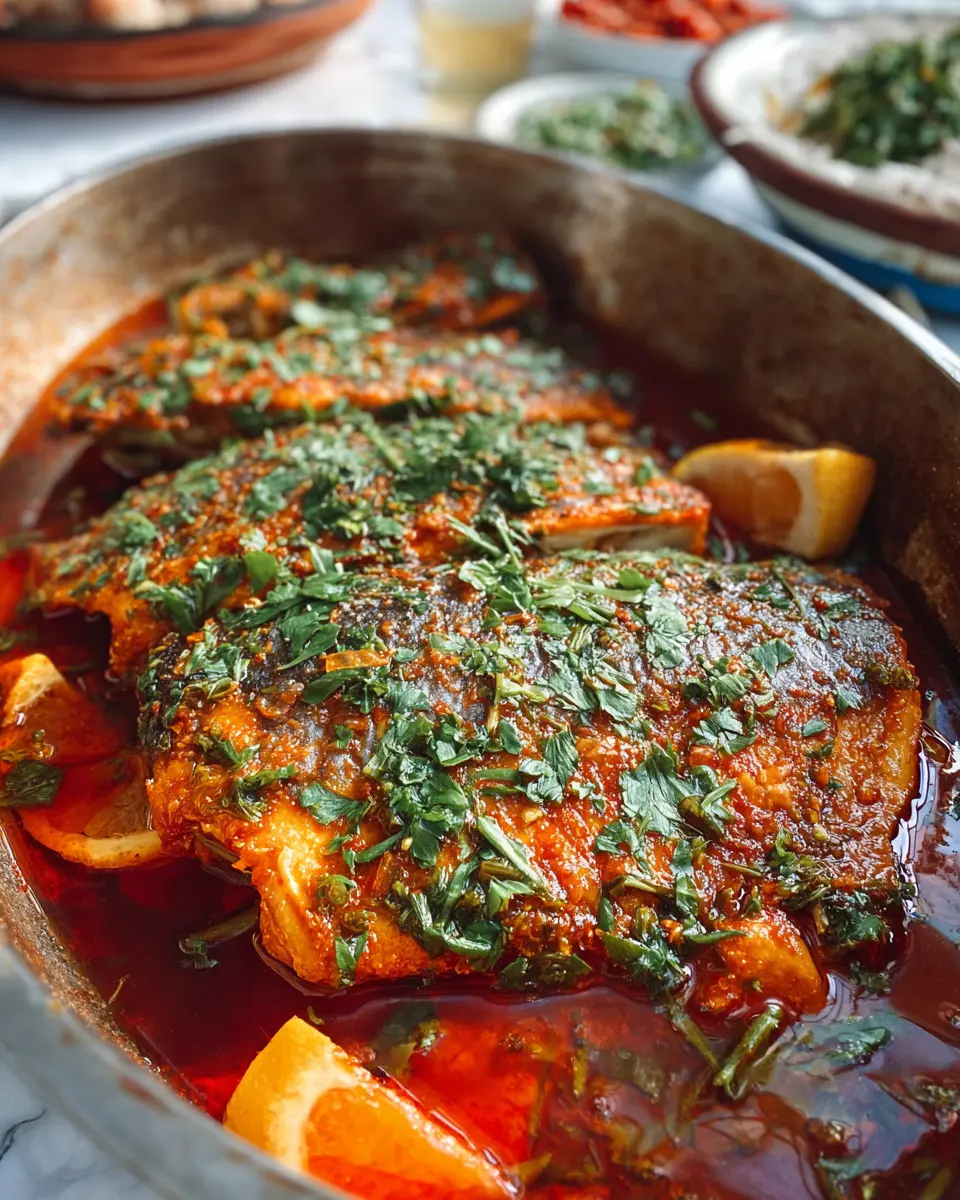
Essential Ingredients for a Delicious Meal
Creating Moroccan Fish isn't just about cooking; it's a flavorful journey! To craft this delightful dish, you'll need a handful of essential ingredients that harmonize beautifully. Here’s what you’ll gather:
- 4 pieces of fish (4 oz each): Salmon works wonders, but any white fish is great too.
- Olive oil: A must for sautéing and adds richness.
- 1 red bell pepper: For sweetness and color.
- 1 long green pepper or 2 jalapeños: If you like a kick, go spicy!
- ½ cup cilantro, chopped: Freshness is key; cilantro brightens up the dish!
- 2–3 peeled carrots (optional): For sweetness and texture.
- 1 peeled russet potato (optional): Adds heartiness.
- 5–6 garlic cloves: Because who doesn't love garlic?
- 1 tablespoon tomato paste: Depth of flavor is crucial here.
- ¾–1 cup water: To create a luscious sauce.
- Spices: Sweet paprika (1 tbsp), hot paprika (½ tbsp), salt (1 tsp), cumin (½ tsp), and turmeric (¼ tsp) bring the Moroccan essence.
- 1 lemon: A splash of acidity at the end enhances all the flavors.
Gather these ingredients, and you're on your way to a delicious Moroccan meal! For more tips, check out Taste of Home for insights on flavor pairing.
Step-by-step Preparation of Moroccan Fish
Creating Moroccan Fish is an exciting culinary adventure that brings a burst of flavors to your kitchen! Let’s walk through the steps together, making sure your dish turns out perfect every time.
Preparing the Vegetables
First, let’s gather all the fresh ingredients you'll need. Begin by prepping the vegetables that will create a beautiful bed for your fish. Slice the red bell pepper, green pepper (or jalapeños if you prefer a bit of heat), and carrots into strips. Don’t forget to chop your russet potato into 1-inch pieces—this will add heartiness to the dish. Finally, halve the garlic cloves to release their delightful aroma during cooking. Fresh veggies not only contribute to the taste but also offer a healthy boost!
Sautéing the Veggies
Next up is the sautéing stage. Grab a large sauté pan and place it on medium heat. Drizzle in about a third of a cup of olive oil to coat the bottom. Once the oil is hot, toss in all your chopped veggies—the sizzling sound is music to any cook's ears! Sauté these for about 2-3 minutes, just until they start to soften. This step sets the base for all the incredible flavors that will develop.
Adding the Flavorful Spices
This is where the magic happens! Sprinkle in the sweet paprika, hot paprika, salt, cumin, and turmeric, then stir and cook for another 2-3 minutes. These spices are classic in Moroccan cuisine, adding warmth and depth to your dish. For some more background on these spices, check out the extensive research by the American Spice Trade Association, which explores their benefits!
Cooking the Fish
Now, it’s time to introduce the star of the show—the fish! Lightly salt the fillets, then nestle them into the pan, ensuring they are immersed in that vibrant sauce. If it looks like there isn’t enough liquid, just add a splash (about ¼ cup) of water. Spoon the sauce over the fish, then cover the pan and reduce the flame to medium-low. Let it gently cook for 20-25 minutes. As it cooks, the fish will absorb all those rich flavors—your kitchen will smell heavenly!
Final Touches with Lemon
As you approach the end, everything will be nearly ready! Before serving, top the fish with the remaining cilantro and some slices of lemon. A squeeze of fresh lemon juice adds a bright finish, balancing out the rich spices beautifully.
And there you have it—your very own Moroccan Fish dish! Serve it alongside couscous or crusty bread to soak up the luscious sauce. Enjoy the delightful journey of flavors you've created!
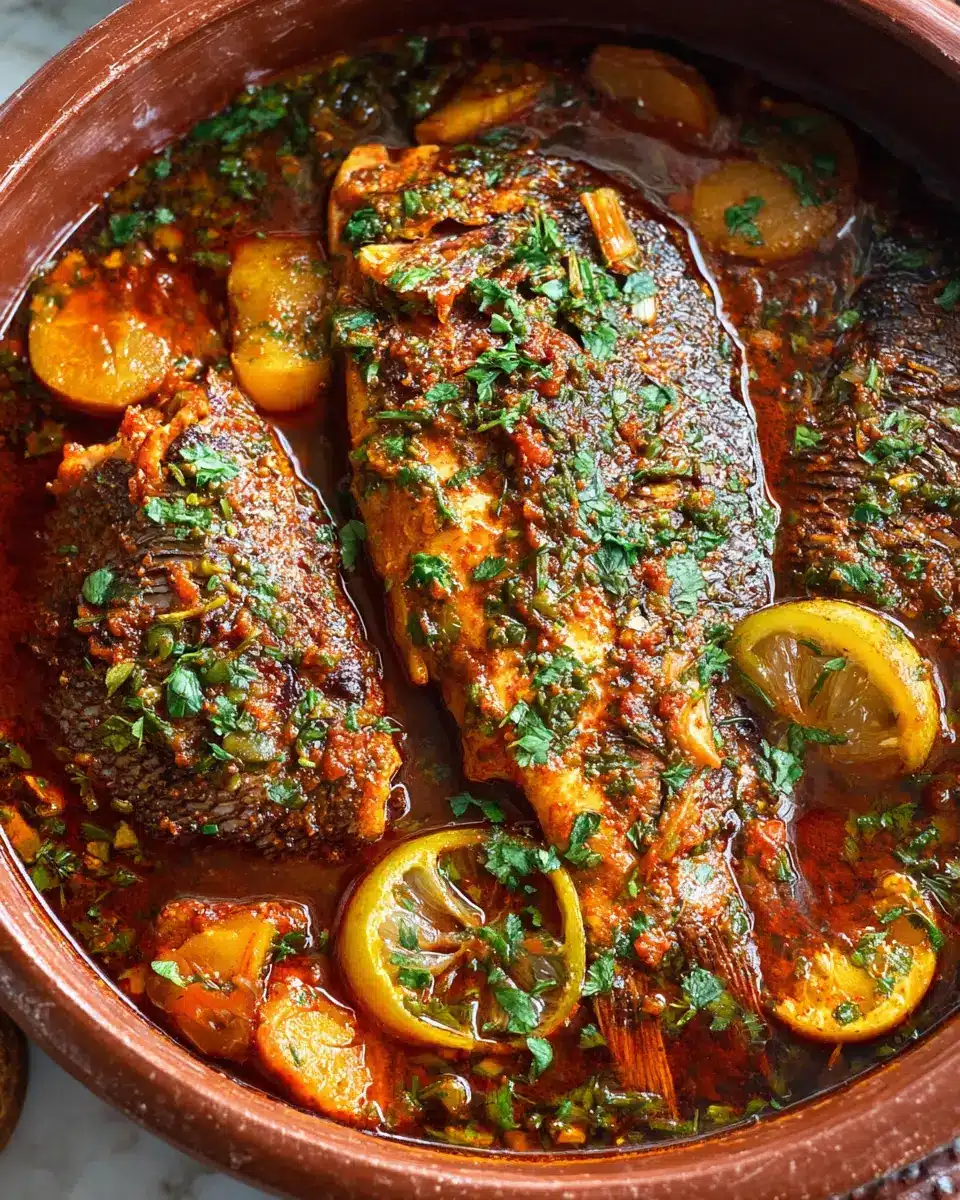
Variations on Moroccan Fish
Using Different Types of Fish
One of the beauties of Moroccan fish is its versatility. While salmon is a fantastic option, you can easily substitute with a variety of fish such as cod, tilapia, or even trout. Each choice offers a unique taste and texture that pairs beautifully with the spices in this dish. For a more sustainable choice, consider using local wild-caught fish, which is a great way to support marine conservation efforts. Check out resources from organizations like Monterey Bay Seafood Watch for tips on selecting eco-friendly seafood!
Vegetarian Alternatives
If you’re looking to create a vegetarian version of this dish, consider replacing the fish with tofu or chickpeas. Both options absorb the savory flavors of the sauce while providing a hearty texture. Another interesting twist is using roasted or grilled vegetables like eggplant or zucchini as a base. This approach not only keeps the spirit of Moroccan cuisine alive but also opens up delicious avenues for plant-based eating. Why not explore these alternatives during your next dinner gathering? You might just impress your friends with your culinary creativity!
Cooking Tips and Notes for Moroccan Fish
When preparing Moroccan Fish, the key is to balance flavors and textures. Here are some helpful tips to ensure your dish shines:
- Choose your fish wisely: Salmon works great, but feel free to experiment with white fish varieties like cod or tilapia for a different flavor profile.
- Vegetable variations: Don’t hesitate to add seasonal vegetables. Zucchini and eggplant can enhance the dish beautifully.
- Sauce consistency: Keep an eye on the sauce; it should envelop the fish but not overpower it. Adjust water levels as needed.
- Fresh herbs: Elevate your dish by using fresh herbs like parsley or mint alongside cilantro for a vibrant finish.
For more culinary inspiration, check out this link for tips on seasoning!
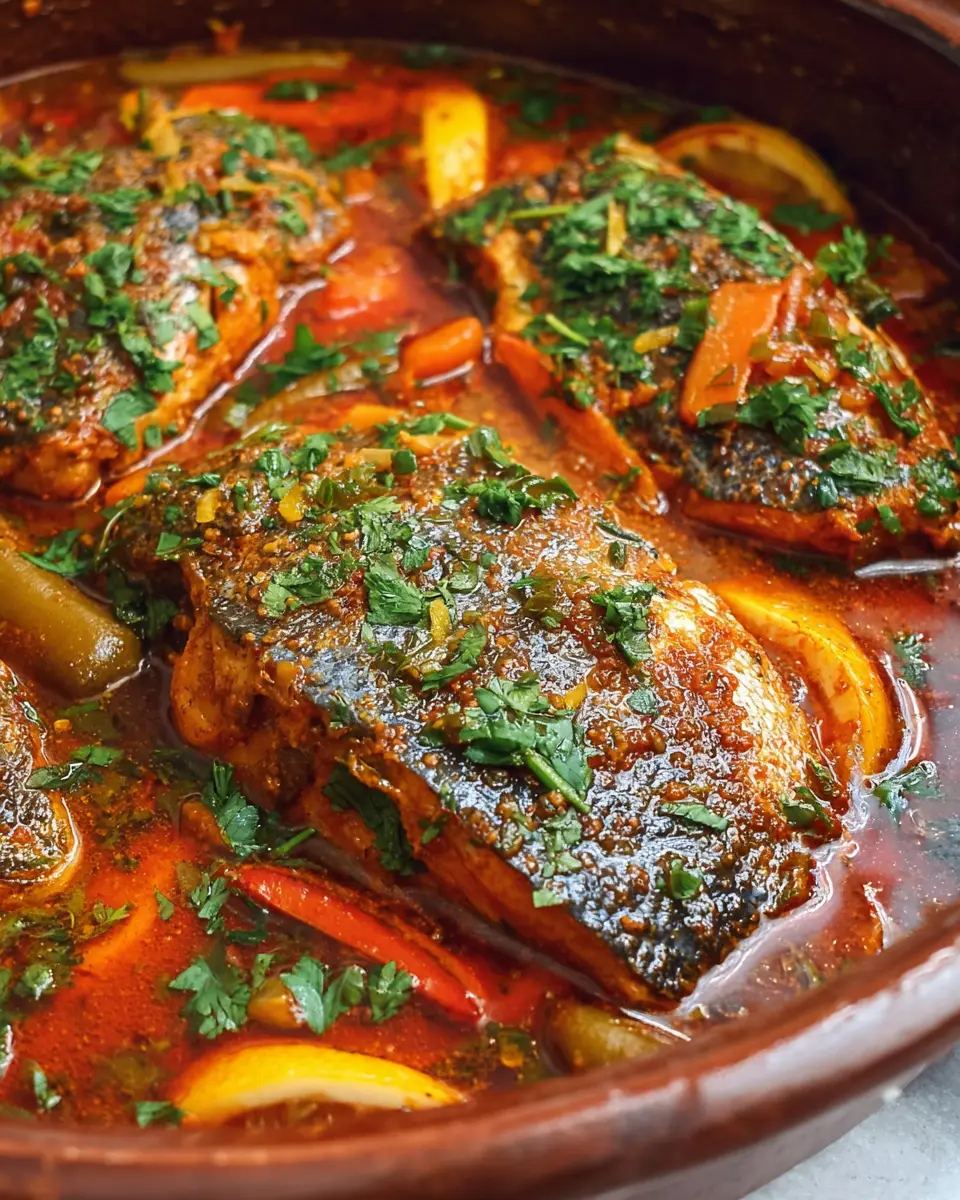
Serving Suggestions for Moroccan Fish
When it comes to enjoying Moroccan fish, the sides you choose can elevate your meal to new heights. Consider serving it with fragrant couscous or fluffy quinoa, which soak up the savory sauce beautifully. Grilled vegetables or a fresh, vibrant salad—think mixed greens with a zesty lemon vinaigrette—offer a delightful contrast.
For a perfect pairing, try a light, non-alcoholic beverage like sparkling water infused with mint or a refreshing herbal tea. Remember, this dish shines best when you allow its vibrant flavors to take center stage. So, keep it simple and savor every bite!
Time Breakdown for Moroccan Fish
Preparation Time
Preparing your ingredients for Moroccan Fish takes about 10-15 minutes. This includes washing, slicing the veggies, and getting everything ready for the pan.
Cooking Time
Once everything is set, you’ll spend approximately 35-40 minutes cooking. This will allow the flavors to meld beautifully and your fish to cook perfectly.
Total Time
In total, you’re looking at around 50-55 minutes from start to finish. Perfect for a satisfying weeknight dinner or a special weekend meal with friends!
For more tips on enhancing your culinary skills, check out resources like Serious Eats for expert advice and delicious recipes.
Nutritional Facts for Moroccan Fish
When you're crafting a delightful meal like Moroccan Fish, it's good to know what you're serving up. Here's a quick look at the nutritional profile:
Calories
A serving of Moroccan Fish has approximately 300 calories, making it a hearty yet healthy option for dinner.
Protein
Each serving provides about 25 grams of protein, thanks to the fish, which supports muscle growth and overall health.
Sodium
With around 600 milligrams of sodium per serving, you can enjoy the flavorful spices without excessive salt intake. Opt for low-sodium tomato paste or adjust seasonings to manage your sodium levels.
For more intriguing details about fish nutrition, you might find resources from the American Heart Association and USDA FoodData Central helpful!
FAQs about Moroccan Fish
Can I use frozen fish for this recipe?
Absolutely! Frozen fish works well in this Moroccan fish recipe. Just ensure it’s properly thawed and pat it dry before cooking. This helps it cook evenly and absorb the lovely flavors of the dish.
What can I serve with Moroccan fish?
For a delightful meal, pair your Moroccan fish with fluffy couscous, quinoa, or a fresh salad. The bright flavors of the fish complement side dishes like roasted vegetables or steamed rice beautifully. A crusty loaf of bread is perfect for soaking up that delicious sauce.
How do I adjust the spice levels?
If you’re looking to spice things up or tone it down, feel free to adjust the amount of paprika and other spices. Swap out the hot paprika for more sweet paprika if you prefer a milder flavor. You can also add fresh herbs or a splash of lemon for an extra flavor kick!
For more great recipe ideas, consider visiting BBC Good Food or Epicurious. Enjoy your culinary adventures!
Conclusion on Moroccan Fish
In conclusion, Moroccan Fish is more than just a meal; it's an experience filled with vibrant flavors and a touch of nostalgia. This easy-to-follow recipe not only tantalizes your taste buds but also offers a great way to incorporate healthy ingredients into your diet. So, gather your friends and family, and enjoy this delightful dish together. Happy cooking!
Moroccan Fish
Equipment
- large pan
Ingredients
- 4 oz fish I used salmon but have made this with various white fish before
- ⅓ cup olive oil
- 1 piece red bell pepper sliced
- 1 piece long green pepper or 2 jalapeno peppers, sliced
- ½ cup cilantro chopped
- 2 -3 pieces carrots peeled (optional)
- 1 piece russet potato peeled (optional)
- 5 -6 cloves garlic halved
- 1 tablespoon tomato paste
- ¾ -1 cup water
- 1 tablespoon sweet paprika
- ½ tablespoon hot paprika or add more sweet paprika
- 1 teaspoon salt
- ½ teaspoon cumin
- ¼ teaspoon turmeric
- 1 piece lemon half sliced
Instructions
- Slice the bell pepper, carrots and green pepper to strips. Slice the potato into half and then into 1″ pieces. Cut each clove of garlic in half.
- Heat a large pan, ideally a saute pan, on medium heat then coat the bottom in about ⅓ cup olive oil.
- Add all of the veggies to the pan and saute on medium heat for 2-3 minutes.
- Season with the paprika, salt, cumin, turmeric and tomato paste and stir and cook for another 2-3 minutes.
- Lower the flame to medium/low. Add in half of the cilantro and about ¾ cups of water and stir everything together. Cover the pan and cook for about 12-15 minutes, until the veggies are tender. Taste and adjust salt and spice if needed. If you like your fish spicy, add some more hot paprika or red pepper flakes.
- Lightly salt the fish fillets and place them into the pan so that they’re coated in the sauce, at least ¾ of the way to the top. If there isn’t enough sauce, add another ¼ cup water. Spoon the sauce over each fish fillet.
- Top with remaining cilantro and cover the pan. Cook on a low flame for about 20-25 minutes, spooning the sauce over the fish halfway through.
- I like to add lemon slices from ½ a lemon at the end, and squeeze the remaining lemon juice over the top before serving.

Leave a Reply