
Introduction to Winter Vegetable Salad
Winter is the perfect time to enjoy hearty, nutritious meals, and what better way to celebrate the season than with a vibrant Winter Vegetable Salad? Filled with the rich flavors of roasted butternut squash, Brussels sprouts, and earthy beets, this dish is not just a feast for the eyes, but also a bounty of nourishment.
Why Homemade Salads Are the Go-To for Young Professionals
For young professionals juggling busy schedules, homemade salads are a lifesaver. Not only are they quick to prepare, but they allow you to control the ingredients and portion sizes. A Winter Vegetable Salad like this one can be made in advance and enjoyed throughout the week, making meal prep a breeze. Plus, incorporating seasonal veggies means you are also supporting local farmers and reducing your carbon footprint—great for your health and the planet!
Importantly, homemade salads can be cost-effective compared to dining out or buying pre-packaged options. With a few simple ingredients, you can create something delicious, satisfying, and free of preservatives. For tips on maximizing flavor and nutrition in your salads, visit resources like Harvard Health.
So, let’s jump into this Winter Vegetable Salad recipe and explore the delightful combination of textures and tastes that warm your soul during chilly months!

Ingredients for Winter Vegetable Salad
Fresh produce and pantry staples
Creating a delicious winter vegetable salad starts with selecting the right ingredients. For this refreshing dish, you'll need:
- Fresh produce: Look for vibrant Brussels sprouts, creamy butternut squash, and earthy beets to provide warmth and color.
- Pantry staples: Olive oil, maple syrup, and balsamic vinegar are essential for roasting and dressing, adding depth to your salad.
Additionally, don't forget dried cranberries for a hint of sweetness and toasted pecans for that satisfying crunch.
Tips for selecting seasonal vegetables
When shopping for your salad, keep these tips in mind:
- Choose firm veggies: Look for Brussels sprouts that are tightly closed and vibrant green. Opt for butternut squash that feels heavy for its size, and select beets that are smooth and free of blemishes.
- Seasonality matters: Winter is the perfect time to enjoy these hearty vegetables. Check out local farmers' markets for the freshest picks and support community agriculture. For more insights on seasonal produce, visit Seasonal Food Guide.
With these ingredients at hand, you'll be set to create a colorful and nutritious winter vegetable salad that captures the essence of the season!
Preparing Winter Vegetable Salad
Creating a winter vegetable salad bursting with seasonal flavors doesn’t have to be intimidating! In this guide, I’ll walk you through each step of preparing a vibrant salad that combines roasted Brussels sprouts, butternut squash, and earthy beets. This salad not only packs a nutritious punch but also makes a stunning centerpiece for any winter gathering. Let’s get started!
Roast the Brussels Sprouts
First, preheat your oven to 375°F. While it’s warming up, trim the ends of about 3 cups of Brussels sprouts and remove any yellow leaves. Slice them in half and toss them in a medium bowl with 2 tablespoons of olive oil and a generous sprinkle of salt. This little bit of seasoning goes a long way! Arrange the halved sprouts cut-side down on a parchment-lined baking sheet and roast them for 20-25 minutes. For a tender bite, consider leaving them in longer but be sure to flip them halfway through for perfect caramelization.
Roast the Butternut Squash
Next up is the butternut squash, which adds a sweet and creamy texture to the salad. Cut 4 cups of peeled and seeded butternut squash into 1-inch cubes. In the same way as with the Brussel sprouts, toss them in a bowl with olive oil and salt. Spread the squash onto another parchment-lined sheet and let it roast for 20-25 minutes, turning once to ensure even cooking. Here’s a tip: you can roast the Brussels sprouts and butternut squash at the same time—just use two sheets placed on the same rack!
Cook the Beets
While our veggies are in the oven, let’s turn our attention to the beets. I recommend cooking these at least a day in advance for the best results. Boil 2 beets in a medium saucepan filled with water for about 30-40 minutes, or until fork-tender. Once cooled, peel and dice them into cubes. This step can be a bit messy, so consider wearing an apron. Beets are notorious for staining, after all! If you’d like more tips on cooking beets, check out this guide on how to cook beets.
Toast the Pecans
While the veggies roast and the beets cool, it’s time to add a little crunch to our winter vegetable salad! Preheat your oven to 350°F and spread 2 cups of pecans on a parchment-lined baking sheet. Toast them for about 5-10 minutes, watching closely, as they can burn easily. You want them to deepen in color and emit a delightful aroma—this is when they’re at their best!
Assemble the Salad
Now for the fun part—putting this winter vegetable salad together! In a large bowl, combine the roasted Brussels sprouts, butternut squash, toasted pecans, and dried cranberries. Gently fold in the diced beets at the end to keep their vibrant color intact. Depending on your preference, drizzle with your choice of maple-lime dressing or balsamic glaze for an extra layer of flavor. Whether you enjoy it sweet or tangy, this salad is sure to impress!
Enjoy your culinary creation! This winter vegetable salad is not just a dish; it’s an experience. Perfect for cozy dinners or holiday feasts, it brings warmth and color to the table, making every bite a celebration of the season.
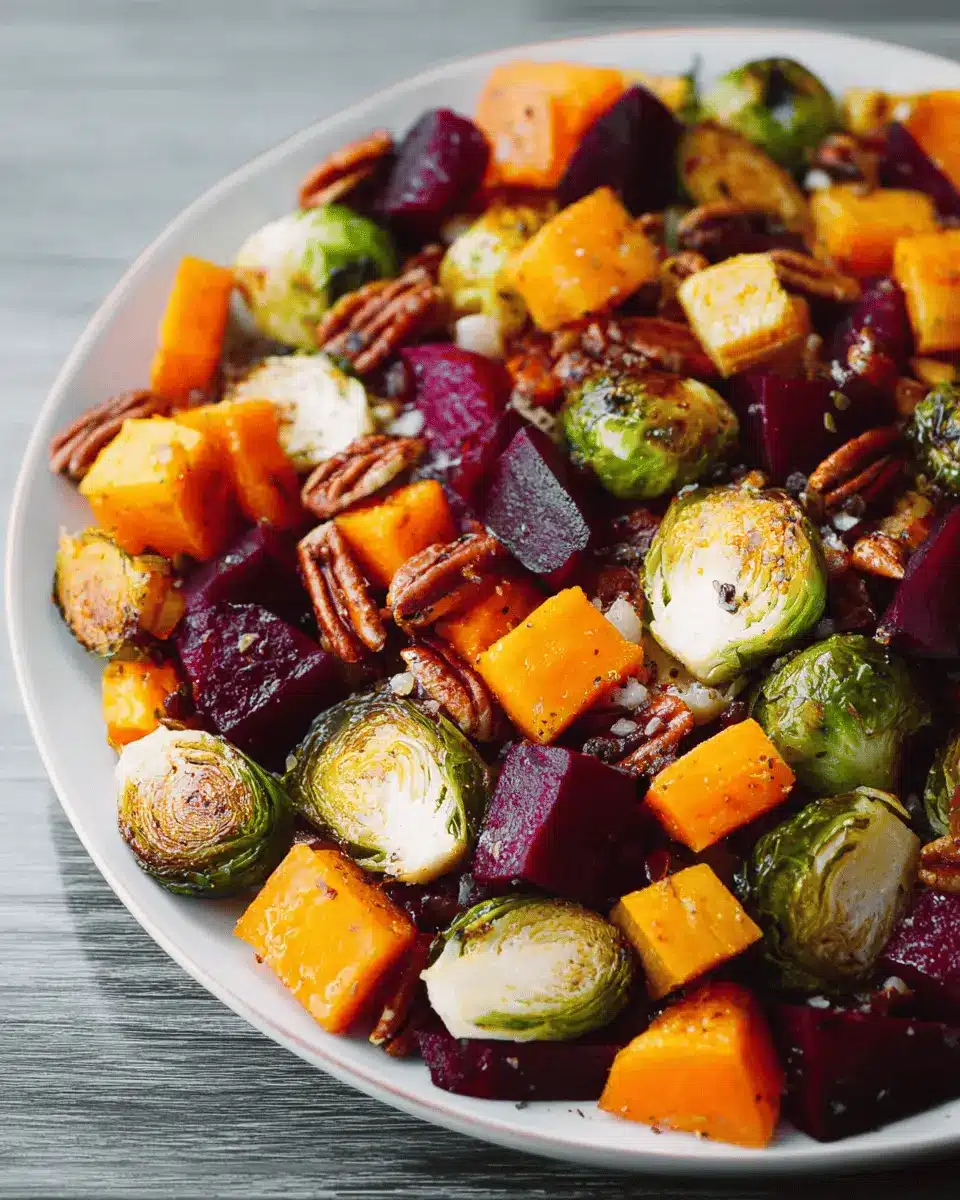
Variations on Winter Vegetable Salad
When it comes to crafting your winter vegetable salad, there’s plenty of room to customize and elevate with personal touches. Let’s explore some easy variations that can add protein and crunch!
Add Protein: Grilled Chicken or Quinoa
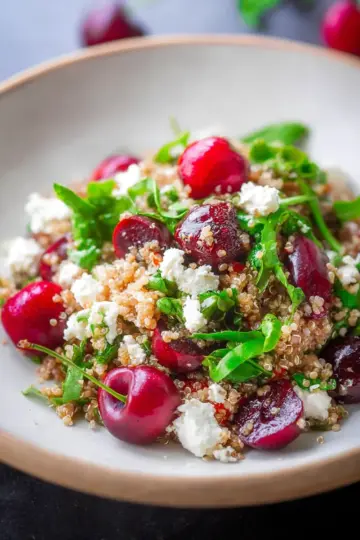
For those looking to transform the winter vegetable salad into a hearty meal, consider adding grilled chicken for a protein-packed punch. Marinate the chicken in olive oil, garlic, and herbs before grilling for extra flavor! Alternatively, quinoa offers a plant-based protein boost. This tiny grain is not only filling but also provides a nutty texture that pairs wonderfully with roasted veggies.
Swap Nuts: Almonds or Walnuts
Nuts can provide that perfect crunch you crave! Swap pecans for sliced almonds or chopped walnuts to mix things up. Almonds have a delicate sweetness, while walnuts deliver a rich, earthy flavor. Toast them lightly to enhance their natural oils, creating a delightful contrast to the roasted butternut squash and Brussels sprouts.
Feel free to get creative with your winter vegetable salad, and you might just discover a new favorite combination. For more ideas on ingredient variations, check out Serious Eats or Bon Appétit. Happy salad-making!
Cooking Tips and Notes for Winter Vegetable Salad
Smart Salad Prep Strategies
Preparing a winter vegetable salad can be as easy as pie with a bit of organization! Start by roasting your Brussels sprouts and butternut squash on separate trays in the oven, allowing you to multitask. For a smoother assembly, consider cooking the beets a day in advance. This helps them cool and minimizes mess when dicing.
Timing for Optimal Flavors
Timing is essential for achieving the best flavors in your salad. Roast your vegetables just until they’re tender, and let them cool slightly before tossing everything together. When drizzling the balsamic glaze, do it right before serving to maintain the vibrancy of your salad. Remember, fresh ingredients shine in this dish! For more tips on salad dressing options, check out this guide.
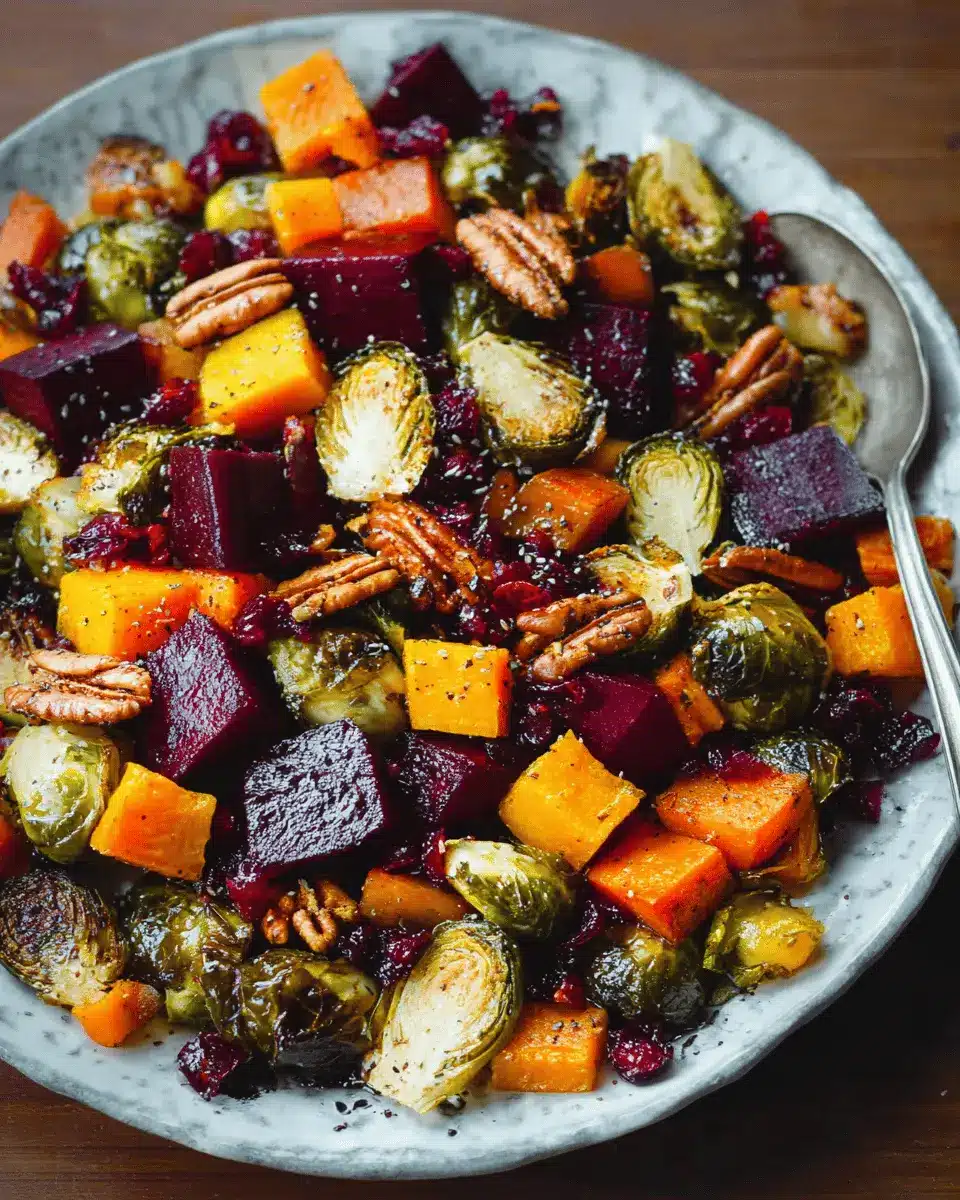
Serving Suggestions for Winter Vegetable Salad
Pairing Ideas: Perfect Entrees or Main Dish
This winter vegetable salad shines as a delightful side to roasted chicken or turkey, offering a burst of color and flavor. For a heartier meal, try pairing it with grilled salmon or a succulent flank steak. You can also serve it alongside warm chicken ham sandwiches for a cozy lunch, making it perfect for winter gatherings.
Presentation Tips for a Vibrant Table
To elevate your winter vegetable salad presentation, consider serving it in a beautiful, shallow dish. Layer the ingredients for added visual appeal, starting with the roasted vegetables and finishing with a sprinkle of toasted pecans and cranberries. Drizzling your choice of dressing—whether it's the sweet maple-lime or tangy balsamic glaze—right before serving will keep everything vibrant and fresh. For a final touch, garnish with fresh herbs like parsley or mint to add a pop of color and enhance aromas.
For more ideas on salad pairings, check out this guide from Epicurious.
Time breakdown for Winter Vegetable Salad
Preparation time
Spend about 20 minutes to prepare your ingredients, from washing Brussels sprouts to peeling butternut squash. Taking your time here will ensure a delicious and visually appealing winter vegetable salad.
Cooking time
Expect to spend around 30-35 minutes on roasting the Brussels sprouts and butternut squash, and boiling the beets. Multi-tasking will streamline the process!
Total time
In total, you’ll invest approximately 50-55 minutes in crafting this delectable winter vegetable salad, not including any pre-cooked beets. Preparing in advance will elevate your dish's appearance and taste!
For more easy tips on veggie prep, check out resources like The Kitchn’s guide on mastering vegetable salads!
Nutritional Facts for Winter Vegetable Salad
When indulging in our Winter Vegetable Salad with butternut squash, Brussels sprouts, and beets, you can feel great about your choices! Here’s a quick overview of the nutritional benefits:
Calories
Each serving packs approximately 250-300 calories, making it a satisfying yet wholesome option for lunch or dinner.
Protein
You’ll get about 6-8 grams of protein per serving, thanks to the nutty pecans and healthy vegetables, which makes it a great plant-based meal.
Dietary Fiber
With around 8 grams of dietary fiber, this salad is excellent for digestion and keeps you feeling full longer. Enjoy the benefits of delicious nutrition in every bite!
For more on how fiber affects your health, check out this informative article from the Mayo Clinic.
FAQs about Winter Vegetable Salad
How can I make my salad more filling?
If you're looking to make your winter vegetable salad more substantial, consider adding protein sources like grilled chicken, turkey bacon, or chickpeas. For added texture and healthy fats, incorporate avocado or your favorite cheese, such as feta or goat cheese. Quinoa or whole grains are also great options to transform it into a satisfying meal!
What’s the best way to store leftover salad?
To keep your winter vegetable salad fresh, store leftovers in an airtight container in the refrigerator. If you've added dressing, try to separate it to prevent sogginess. Typically, the salad will stay good for about 2-3 days. For optimal taste, consume it within the first day or two.
Can I use different dressings for variety?
Absolutely! This winter vegetable salad pairs beautifully with a variety of dressings. If you want to change things up, try a creamy honey mustard or a zesty cilantro-lime vinaigrette. Each dressing will give your salad a unique flavor profile, allowing you to enjoy different tastes each time! For more inspiration, check out articles on homemade dressings.
Conclusion on Winter Vegetable Salad
In summary, this winter vegetable salad is a vibrant and nourishing dish that brings together the rich flavors of roasted Brussels sprouts, butternut squash, and earthy beets. Perfect for cozy gatherings or meal prep, it’s not only delicious but also packed with nutrients to keep you energized all winter long. Enjoy!
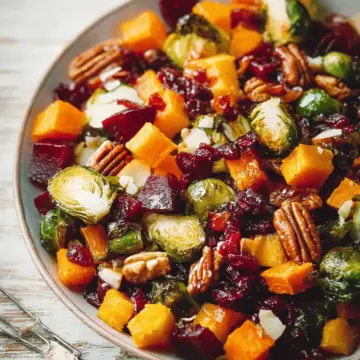
Winter Vegetable Salad with Butternut Squash, Brussels Sprouts, and Beets
Equipment
- Oven
- baking sheet
- parchment paper
- medium bowl
- Saucepan
- Large spoon
Ingredients
Roasted Brussels Sprouts
- 3 cups Brussels sprouts (raw, ends trimmed, yellow leaves removed)
- 2 tablespoons olive oil
- to taste salt
Roasted Butternut Squash
- 4 cups butternut squash (uncooked, peeled, seeded, and cubed into 1-inch cubes)
- 2 tablespoons olive oil
- to taste salt
Other Salad Ingredients
- 2 large beets (cooked in advance)
- 2 cups pecan halves
- 1 cup dried cranberries
Balsamic Glaze
- 1 cup balsamic vinegar
- ¼ cup honey or brown sugar
Maple-Lime Dressing
- 4 tablespoons maple syrup
- 1 tablespoon freshly squeezed lime juice (add 1 more tablespoon, to taste)
Instructions
How to Roast Brussels Sprouts
- Preheat oven to 375 F. Line the baking sheet with parchment paper.
- Trim ends of Brussels sprouts and remove yellow leaves. Slice all Brussels sprouts in half.
- In a medium bowl, combine halved Brussels sprouts, 2 tablespoons of olive oil, salt (to taste), and toss to combine.
- Place Brussels sprouts onto the baking sheet, cut side down, and roast in the oven at 375 F for about 20-25 minutes, turning them over for even browning.
How to Roast Butternut Squash
- Preheat oven to 375 F. Line the baking sheet with parchment paper.
- In a medium bowl, combine cubed butternut squash with 2 tablespoons of olive oil and salt, and toss to combine.
- Spread butternut squash in a single layer on the baking sheet. Bake for 20-25 minutes, turning once halfway through.
How to Cook Beets
- Add 2 beets to a medium-sized saucepan filled with water. Bring to a boil and boil the beets on medium heat, half-covered, for about 30-40 minutes until soft.
- Carefully remove beets from hot water, let them cool, peel them, and dice into small cubes.
How to Toast Pecans
- Preheat the oven to 350 F. Line a baking sheet with parchment paper. Spread pecans in a single layer.
- Toast the pecans for about 5 to 10 minutes until they get darker in color, checking frequently after 5 minutes.
Assembly
- In a large bowl, toss together roasted Brussels sprouts, roasted butternut squash, toasted pecans, and dried cranberries. Add diced cooked beets last.
Leave a Reply